
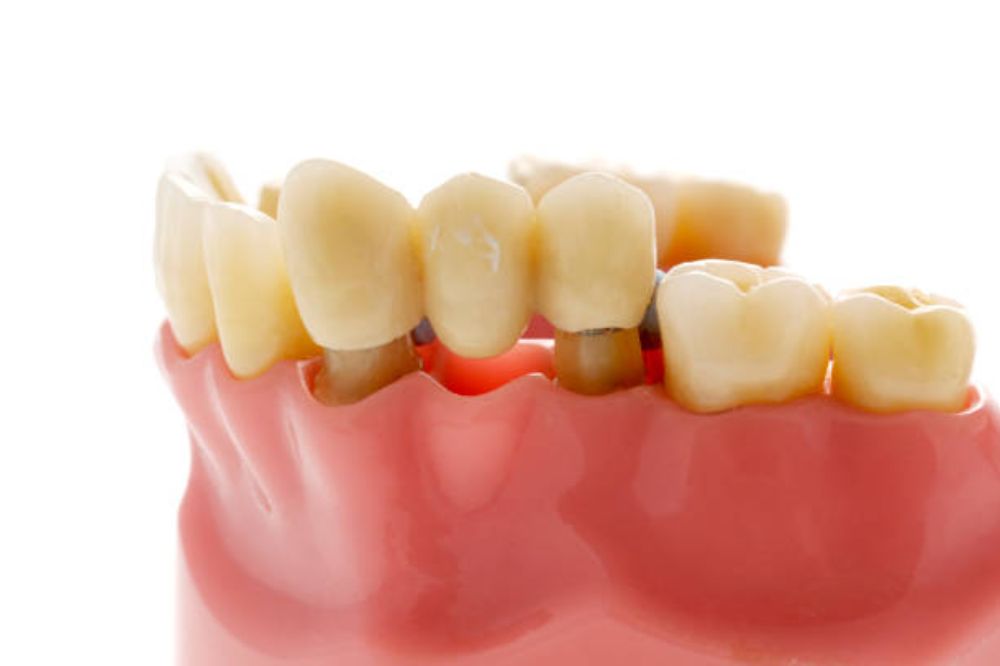
No teeth make it hard to eat and difficult to speak or even smile with confidence. One of the most common solutions is a dental bridge near you, but do you know there is more than one type? Two of the most popular types are cantilever and traditional dental bridges. Here are the differences so you can get a better idea of which type might work for you.
What is a Dental Bridge?
One permanent (non-removable) solution for replacing one or more lost teeth is a dental bridge. To restore your bite and smile, a dental bridge “bridges” the space between your existing teeth. A dental bridge can improve the way your teeth look and prevent other teeth from shifting out of place.
What are the Different Types of Dental Bridges?
Dental bridge types explained in four categories:
|
Type of Bridge |
How It Works |
| Traditional Bridge | Uses crowns to secure the artificial tooth in place on two healthy teeth adjacent to the gap. |
| Cantilever Bridge | Supports the artificial tooth with a crown on just one side of the gap. |
| Maryland Bridge | Uses a metal or porcelain frame bonded to the backs of nearby teeth |
| Implant-Supported Bridge | Dental implants, rather than natural teeth, hold them in place. |
How Does a Traditional Bridge Work?
A traditional dental bridge is the most common form of bridge. Bridges work to fill gaps between healthy teeth by creating a false tooth (pontic) and anchoring it between two crowns on either side of the space. Because these crowns are cemented, the bridge is incredibly sturdy and solid.
- Best: gaps between two healthy teeth
- Pros: Strong and durable, long-lasting
- Cons: causes some reshaping of the healthy teeth
What is a Cantilever Bridge?
A cantilever bridge is used when there is one healthy tooth next to the dental space. The artificial tooth is supported by a single crown versus being supported by a system on both sides.
- Best: gaps located in the back of the mouth, e.g., molars, where there is only one adjacent tooth next to the space
- Pros: There is less reshaping than in a traditional bridge.
- Cons: It puts extra strain on the supporting tooth and cannot last as long as a traditional bridge.
Cantilever vs Traditional Dental Bridge: Which One Should You Choose?
Let’s look at a simple comparison of the cantilever vs traditional dental bridge:
|
Feature |
Cantilever Bridge |
Traditional Bridge |
| Support | One tooth | Two teeth |
| Strength | Less strong | Stronger and more stable |
| Tooth Preparation | Less | More |
| Best Used For | Back teeth (limited access) | Front or middle teeth |
| Risk of Damage to Teeth | Higher | Lower |
Your choice depends on:
- The number of missing teeth and their location
- The health of adjacent teeth
- Your bite and how much force will be on the bridge
- The dentist’s recommendation
Is It Important to See a Professional?
Selecting the proper bridge is not something that you should do on your own. A dentist near you will assess your mouth and, if necessary, take your X-rays, so they will know the safest and most comfortable route to take. Whether you have one or multiple missing teeth, your comfort and tooth and dental health are what are most important.
Restoring Your Smile with EverSmile Dental
Are you prepared to restore your smile and replace your lost tooth? At EverSmile Dental, we will walk you through every part of the process, starting with an open and honest discussion about what your options are. Not only will we help you choose between a cantilever or traditional bridge, but we also want you to feel comfortable with the option you decide that fits your needs and lifestyle.
You should not wait to feel good about your smile. Book your appointment today, today, to see how a bridge is going to restore more than just your teeth; it will restore your confidence.
Call EverSmile Dental now or visit our clinic to learn more!